

Bunions
Do Bunion Correctors Actually Work?
Separate cosmetic deformity from painful/progressive joint change and explain conservative care versus surgical indications. Keep product/treatment recommendations criteria-based rather than brand-led.

Quick answer: what to look for in bunion corrector
Do Bunion Correctors Actually Work? is usually a question about timing, location, activity, and whether the symptom is safe to watch or needs a podiatry exam.
Separate cosmetic deformity from painful/progressive joint change and explain conservative care versus surgical indications. Keep product/treatment recommendations criteria-based rather than brand-led. The goal is to understand the pattern without diagnosing yourself from one symptom.
Key features that matter for comfort and support
Key features that matter for comfort and support matters because patients often need enough context to decide whether to keep watching symptoms or request care.
Stamford Podiatry Group, P.C. can evaluate the foot or ankle problem, explain what may be contributing to it, and discuss next steps based on the exam.
What to avoid and common buying mistakes
What to avoid and common buying mistakes matters because patients often need enough context to decide whether to keep watching symptoms or request care.
Stamford Podiatry Group, P.C. can evaluate the foot or ankle problem, explain what may be contributing to it, and discuss next steps based on the exam.
Best options by use case / foot type / activity level
Care often starts with conservative steps such as footwear changes, stretching, padding, bracing, rest, activity changes, or supportive inserts.
If symptoms continue or the exam suggests more support is needed, the podiatrist may discuss orthotics, physical therapy, injections, device-based treatments, wound care, or surgical consultation when appropriate.
When OTC options are enough vs when custom care is needed
Care often starts with conservative steps such as footwear changes, stretching, padding, bracing, rest, activity changes, or supportive inserts.
If symptoms continue or the exam suggests more support is needed, the podiatrist may discuss orthotics, physical therapy, injections, device-based treatments, wound care, or surgical consultation when appropriate.
How a podiatrist can help with fit and diagnosis
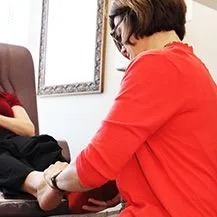
Dr. Rui DeMelo may review your history, shoes, activity level, painful areas, motion, strength, skin, nails, circulation, and nerve symptoms.
Digital X-ray, diagnostic ultrasound, or referral for additional imaging may be discussed when the findings call for it.
Relevant Pages
Plain-language guidance about bunions, including symptoms, causes, evaluation, treatment options, prevention, and when to request care.
Treatment Conservative CarePlain-language guidance about conservative care, including candidate fit, evaluation, treatment expectations, limitations, and alternatives.
Need Help With This Foot Problem?
Request an appointment with Stamford Podiatry Group or call (203) 323-1171 to talk about the foot or ankle problem you want help with.