


PRP Injections
PRP Injections in Stamford
PRP Injections may be part of a podiatry care plan when the diagnosis, exam findings, health history, and patient goals support it. This page explains what the treatment is meant to do, when it may be discussed, what patients should ask, and how Stamford Podiatry Group, P.C. approaches treatment decisions in Stamford, CT.
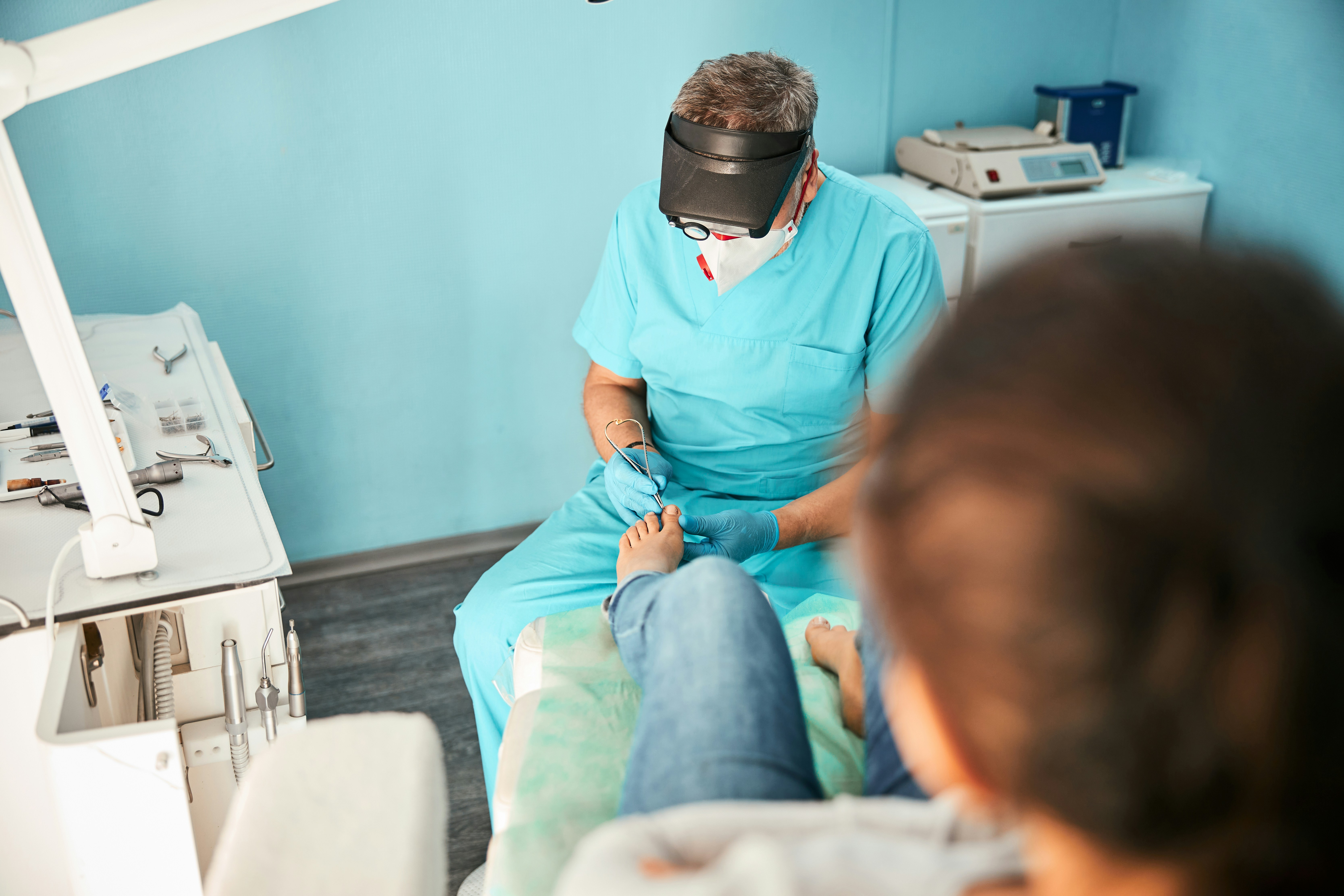
How This Treatment Conversation Starts
PRP injections use a patient's own blood, processed to concentrate platelets, then placed near a targeted injured or irritated tissue. The conversation should start with diagnosis, because PRP only makes sense when the exam shows a reasonable target.
What PRP Injections Are
Platelet-rich plasma, often shortened to PRP, uses a small sample of the patient's own blood. The blood is processed so the platelet-rich portion can be placed near a specific injured or irritated tissue.
The purpose is not to numb pain for the day. PRP is usually discussed as a regenerative option that tries to support the body's repair response in a focused area, such as a tendon, ligament, fascia, or joint when the diagnosis fits.
Foot and Ankle Problems PRP May Be Discussed For
In podiatry, PRP is most often part of a conversation about chronic soft-tissue pain or overuse injuries that have not responded enough to simpler care. Dr. Rui DeMelo would first need to confirm that there is a clear treatment target.
- Chronic plantar fasciitis or long-running heel pain patterns.
- Achilles tendon irritation or tendinopathy when the exam supports that diagnosis.
- Certain ligament, tendon, or sports overuse injuries.
- Selected joint or inflammatory pain patterns where other options have been reviewed.
How the PRP Visit Usually Works
The visit starts with diagnosis, not the injection. The podiatrist reviews the symptom timeline, painful area, previous treatments, medical history, shoes, activity goals, and whether imaging would help locate the target tissue.
When PRP is appropriate, the process may include a blood draw, spinning the blood in a centrifuge, preparing the platelet-rich portion, and placing it into the targeted area. Diagnostic ultrasound may be discussed when guidance would help accuracy.
How Often Patients Receive PRP
PRP frequency is not one-size-fits-all. Some treatment plans use one injection, while others use a short series spaced over time. The right plan depends on the diagnosis, severity, tissue involved, response to prior care, and the doctor's protocol.
Patients should ask what schedule is being recommended, when progress will be reassessed, what activity changes are expected, and what signs mean the plan should be adjusted.
Patients Who May Be Better Candidates
PRP tends to make the most sense when symptoms are persistent, the diagnosis is clear, conservative care has not done enough, and the patient wants to understand options before moving toward surgery.
A good candidate also understands that PRP is not an instant pain shot. Soreness can happen after an injection, results vary, and the benefit is usually judged over weeks to months rather than the same day.
Limits, Costs, and Questions to Ask
Evidence for PRP varies by condition, and insurance coverage can vary. Patients should ask about expected benefits, risks, alternatives, cost, recovery limits, medication instructions, and how follow-up will be handled.
At Stamford Podiatry Group, P.C., the value of the visit is getting a clear explanation of whether PRP fits the foot or ankle problem, or whether a different treatment path is more sensible.
What May Happen at the Visit
- Dr. Rui DeMelo reviews the symptom timeline, prior treatments, medical history, shoes, activity goals, and the exact painful area.
- The exam looks for a diagnosis and a target tissue, such as fascia, tendon, ligament, or joint involvement.
- Digital X-ray or diagnostic ultrasound may be discussed when it would help confirm the treatment target or guide the procedure.
- If PRP fits, the visit should cover the blood draw, processing step, injection plan, expected soreness, activity limits, timing for reassessment, and alternatives.
Important Limits
PRP is not an instant pain shot and results vary. Evidence, insurance coverage, cost, protocol, soreness, medication guidance, activity limits, and follow-up should be discussed before treatment.
Related Conditions
Pages That Connect to PRP Injections
Heel Pain
Heel Pain can overlap with other foot and ankle symptoms, so an exam helps match the care plan to the cause.
View pagePlantar Fasciitis
Plantar Fasciitis can overlap with other foot and ankle symptoms, so an exam helps match the care plan to the cause.
View pageHeel Spurs
Heel Spurs can overlap with other foot and ankle symptoms, so an exam helps match the care plan to the cause.
View pagePatient Guides
Related Articles

PRP Injections for Foot and Ankle: How They Work
Read a related patient guide connected to prp injections and common foot or ankle questions.

PRP vs Cortisone for Foot Pain
Read a related patient guide connected to prp injections and common foot or ankle questions.
PRP for Plantar Fasciitis: Does It Work?
Read a related patient guide connected to prp injections and common foot or ankle questions.
This page is educational and does not promise a specific treatment, device, result, price, or outcome. Stamford Podiatry Group can review whether this care path fits your symptoms and exam findings.
PRP Injections FAQs
Are PRP injections right for every foot problem?
No. PRP only makes sense when the diagnosis, exam findings, health history, goals, and available options support it.
What foot or ankle problems may PRP be discussed for?
PRP may be discussed for selected chronic heel pain, plantar fascia irritation, Achilles tendon problems, tendon or ligament irritation, and some sports overuse injuries when there is a clear treatment target.
How many PRP injections do patients usually need?
There is no single schedule for every patient. Some protocols use one injection, while others use a short series over time. The podiatrist should explain the recommended plan and when progress will be reassessed.
How quickly does PRP work?
PRP is not meant to be an instant numbing injection. If it helps, improvement is usually judged over time as the irritated tissue responds and activity is gradually adjusted.
Will insurance cover PRP injections?
Coverage varies by plan and diagnosis, and some plans treat PRP differently from standard podiatry visits. Ask about cost, benefits, and out-of-pocket responsibility before treatment.