

Shockwave / EPAT Therapy
Shockwave / EPAT Therapy in Stamford
Shockwave / EPAT Therapy may be part of a podiatry care plan when the diagnosis, exam findings, health history, and patient goals support it. This page explains what the treatment is meant to do, when it may be discussed, what patients should ask, and how Stamford Podiatry Group, P.C. approaches treatment decisions in Stamford, CT.
How This Treatment Conversation Starts
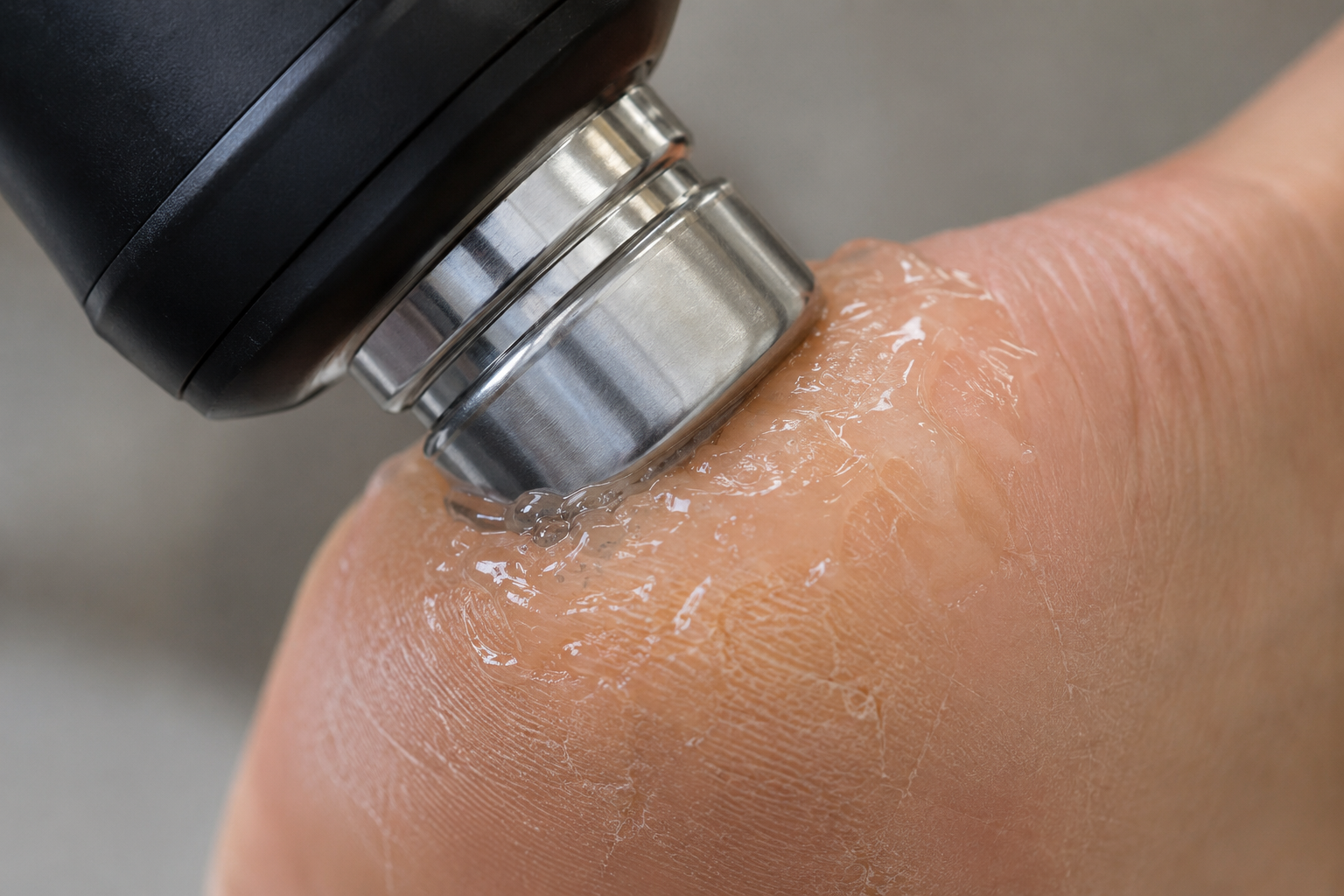
Shockwave / EPAT Therapy may be discussed for certain chronic soft-tissue pain patterns when the diagnosis and exam support it. The visit should explain the protocol, expected visit range, soreness expectations, and whether this option fits the patient's situation.
What Shockwave / EPAT Therapy Is Meant to Do
Shockwave / EPAT Therapy should be explained in relation to a diagnosis, not presented as a generic fix for foot pain. The useful question is what problem the treatment is trying to solve and whether the exam supports that path.
At Stamford Podiatry Group, P.C., the treatment conversation starts with symptoms, exam findings, medical history, shoes, activity goals, and what has already been tried.
Problems Shockwave / EPAT Therapy May Be Discussed For
Shockwave / EPAT Therapy may be part of a care plan when the diagnosis, symptom pattern, and patient goals match. It may connect to heel pain, arch pain, tendon irritation, pressure problems, diabetic foot care, wounds, nail or skin concerns, joint pain, injury, or structural foot problems depending on the treatment.
- Certain chronic heel pain or tendon irritation patterns.
- Symptoms that have not improved enough with conservative care.
- Patients who want to understand non-surgical options before considering more invasive care.
Evaluation Before Treatment
Dr. Rui DeMelo may review the symptom timeline, painful area, shoes, activity level, medical history, previous treatments, skin, nails, circulation, nerve symptoms, and motion or strength findings.
Digital X-ray or diagnostic ultrasound may be discussed when it would help clarify the diagnosis or treatment target.
What Patients Should Ask
Before choosing shockwave / epat therapy, patients should understand why it fits, what alternatives exist, what recovery or follow-up may involve, and what warning signs should prompt an earlier call.
- What diagnosis is this treatment addressing?
- What simpler options have already been tried or considered?
- What benefits are realistic for my situation?
- What are the limits, risks, costs, and follow-up needs?
Results, Recovery, and Alternatives
Results vary by diagnosis, severity, health history, footwear, activity demands, and how closely the care plan is followed. Some patients need a short-term plan, while others need ongoing support, monitoring, or a different treatment path.
Alternatives may include footwear changes, padding, stretching, bracing, orthotics, physical therapy, medication guidance, injections, wound care, imaging, device-based care, or surgical consultation when appropriate.
What May Happen at the Visit
- Dr. Rui DeMelo reviews symptoms, medical history, shoes, activity level, and treatments already tried.
- The exam looks for a clear diagnosis and a specific target for care.
- Digital X-ray or diagnostic ultrasound may be discussed when the findings call for it.
- The visit should cover expected benefits, limits, risks, alternatives, recovery expectations, and follow-up.
Important Limits
Shockwave therapy is not a cure-all and is not appropriate for every condition. Patients should ask what tissue is being treated, why it fits, and what other options remain available.
Related Conditions
Pages That Connect to Shockwave / EPAT Therapy
Heel Pain
Heel Pain can overlap with other foot and ankle symptoms, so an exam helps match the care plan to the cause.
View pagePlantar Fasciitis
Plantar Fasciitis can overlap with other foot and ankle symptoms, so an exam helps match the care plan to the cause.
View pageHeel Spurs
Heel Spurs can overlap with other foot and ankle symptoms, so an exam helps match the care plan to the cause.
View pagePatient Guides
Related Articles

Shockwave Therapy for Heel Pain: Complete Guide
Read a related patient guide connected to shockwave / epat therapy and common foot or ankle questions.
Does Shockwave Therapy Hurt? What Patients Say
Read a related patient guide connected to shockwave / epat therapy and common foot or ankle questions.
How Many Shockwave Sessions Do You Need?
Read a related patient guide connected to shockwave / epat therapy and common foot or ankle questions.
This page is educational and does not promise a specific treatment, device, result, price, or outcome. Stamford Podiatry Group can review whether this care path fits your symptoms and exam findings.
Shockwave / EPAT Therapy FAQs
Is shockwave / epat therapy right for every foot problem?
No. This option only makes sense when the diagnosis, exam findings, health history, goals, and available options support it.
What happens before shockwave / epat therapy is recommended?
Dr. Rui DeMelo reviews symptoms, examines the foot or ankle, and discusses what has already been tried. Imaging, testing, or another treatment path may be recommended first when appropriate.
What should I ask before choosing shockwave / epat therapy?
Ask what diagnosis the treatment addresses, what alternatives exist, what recovery may involve, what risks or limits apply, and how follow-up will be handled.
Will insurance cover this?
Insurance benefits vary by plan, diagnosis, and treatment type. Bring your insurance card and ask your plan about coverage, prior authorization, and out-of-pocket costs.