

Plantar Fibroma
Plantar Fibroma: Lump in the Arch of Your Foot
Explain the benign arch lump, differential diagnosis, pressure relief and recurrence considerations.

Quick answer: what plantar fibroma means
Plantar Fibroma: Lump in the Arch of Your Foot is usually a question about timing, location, activity, and whether the symptom is safe to watch or needs a podiatry exam.
Explain the benign arch lump, differential diagnosis, pressure relief and recurrence considerations. The goal is to understand the pattern without diagnosing yourself from one symptom.
Common causes and risk factors
Plantar Fibroma symptoms may come from pressure, footwear, overuse, tendon or joint stress, skin or nail changes, nerve symptoms, circulation concerns, or an injury pattern.
The exact cause depends on the exam, which is why persistent or recurring symptoms should be checked instead of treated as a guess.
Symptoms and patterns to notice
Helpful details include when the pain starts, where it is strongest, what shoes you wear, whether swelling or redness appears, and whether symptoms affect walking.
Call sooner for wounds, drainage, spreading redness, numbness, diabetes, circulation concerns, injury, or pain that changes your stride.
How a podiatrist diagnoses it
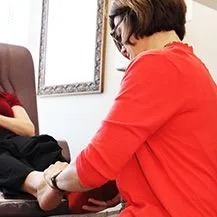
Dr. Rui DeMelo may review your history, shoes, activity level, painful areas, motion, strength, skin, nails, circulation, and nerve symptoms.
Digital X-ray, diagnostic ultrasound, or referral for additional imaging may be discussed when the findings call for it.
Treatment options from conservative to advanced
Care often starts with conservative steps such as footwear changes, stretching, padding, bracing, rest, activity changes, or supportive inserts.
If symptoms continue or the exam suggests more support is needed, the podiatrist may discuss orthotics, physical therapy, injections, device-based treatments, wound care, or surgical consultation when appropriate.
Prevention and long-term management
Care often starts with conservative steps such as footwear changes, stretching, padding, bracing, rest, activity changes, or supportive inserts.
If symptoms continue or the exam suggests more support is needed, the podiatrist may discuss orthotics, physical therapy, injections, device-based treatments, wound care, or surgical consultation when appropriate.
Relevant Pages
Plain-language guidance about plantar fibroma, including symptoms, causes, evaluation, treatment options, prevention, and when to request care.
Treatment Conservative CarePlain-language guidance about conservative care, including candidate fit, evaluation, treatment expectations, limitations, and alternatives.
Need Help With This Foot Problem?
Request an appointment with Stamford Podiatry Group or call (203) 323-1171 to talk about the foot or ankle problem you want help with.